
How Algorithms Shape What Students Learn Online
A significant portion of today’s students’ education is completed online. Algorithms now greatly influence what information children see first. This includes digital classrooms, video platforms, study apps, and search engines. Recommendation algorithms affect how students learn. They also shape what interests them and how they see different topics.
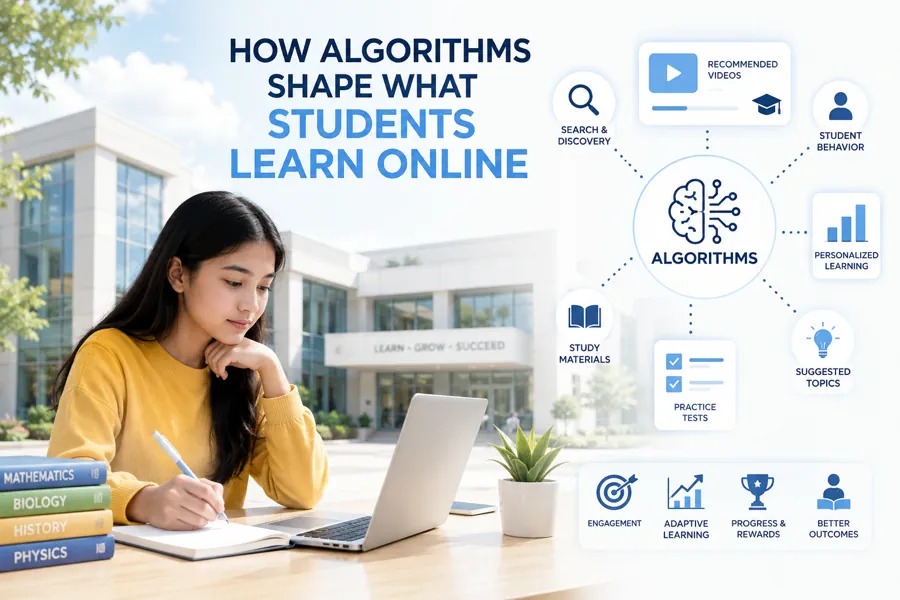
Platforms track each time a student clicks a study guide, watches a video, or seeks homework help. After analyzing this behavior, algorithms start suggesting related topics. These systems are essentially made to keep people interested for as long as it remains feasible
Education platforms are not the only ones that use this strategy. The gaming, streaming, entertainment, and retail sectors all use recommendation algorithms. Algorithms spot patterns, predict interests, and customize experiences. This increases engagement. It works for users looking at tutorials or playing at an online casino for real money.
Educational sites use a similar approach. They decide which videos to show next, recommend tests, and highlight study topics. If a student watches a lot of math sessions, the system suggests tougher algebra lessons or test-prep videos. The platform may favor historical analysis content over science content. This could happen if a student watches more historical documentaries.
Creating a seamless and customized learning experience is the aim. Students receive content that matches their interests and learning styles. This saves them from wasting time sifting through countless resources. This makes online learning more effective and easier to access for many people.
But algorithms do more than just arrange data. They actively direct attention. Watch time, clicks, stops, comments, and return visits are all tracked by platforms. The system frequently promotes more content that keeps pupils interested for longer.
This has an intriguing psychological impact. More and more educational content is created to rival entertainment. To engage viewers, use short films, fast pacing, interactive quizzes, and striking visuals. Learning platforms often use reward systems, like those in games or apps. Users are encouraged to come back often. They see progress bars, streaks, and achievements. Immediate feedback also helps.
Behavioral prediction links to gaming and casino-style engagement systems. Algorithms constantly decide what users are likely to engage with next. They are trying to predict future behavior rather than merely reacting to decisions.
For students, this can have both positive and negative effects. On the positive side, algorithms can expose learners to useful resources they may never have discovered alone. Students struggling with a topic can quickly find tutorials tailored to their level. Personalized recommendations can also make learning feel more enjoyable and less overwhelming.
At the same time, algorithms can create narrow learning patterns. If students only interact with one type of content or viewpoint, platforms may continue reinforcing the same material repeatedly. Over time, this can limit exposure to broader perspectives or more challenging educational topics.
Another important factor is speed. Modern algorithms favor content that delivers fast engagement. This is why shorter educational videos have become extremely popular. Many students now prefer quick summaries and visually dynamic explanations instead of long traditional lectures.
Social media platforms have also become unofficial educational spaces. Students regularly learn through short-form content, study influencers, and algorithm-driven recommendations. A single viral study method or productivity trend can suddenly spread to millions of students worldwide within days.
Artificial intelligence is expected to make these systems even more advanced in the future. Educational platforms may soon predict when students are likely to lose focus, struggle with concepts, or require additional support. Personalized AI tutors could eventually adapt lessons in real time based on individual performance and attention levels.
Algorithms are no longer simply tools organizing online information. They are becoming active participants in modern education. The content students see, the study habits they develop, and even the subjects they become interested in are increasingly shaped by intelligent recommendation systems working quietly in the background of everyday online learning.



 is part of No.1️⃣ fastest growing Sarkari jobs portal ✔️ in India. Here you can find latest career resources during 2024 for both freshers and professionals in various categories. You can get help in preparing yourself for the Job market in India with interesting and informative articles. Don't forget to subscribe to job alerts daily through E-mail, push notifications, whatsapp, telegram and other channels.


