
PM SVANidhi Scheme Extended Till 2030
The Union Cabinet has approved the restructuring and extension of the Pradhan Mantri Street Vendor’s AtmaNirbhar Nidhi (PM SVANidhi) scheme until March 2030. This decision ensures continued support for millions of street vendors and small traders across India, giving them easier access to formal credit systems. The extension reflects the government’s commitment to promoting financial inclusion, digital empowerment, and entrepreneurship at the grassroots level.
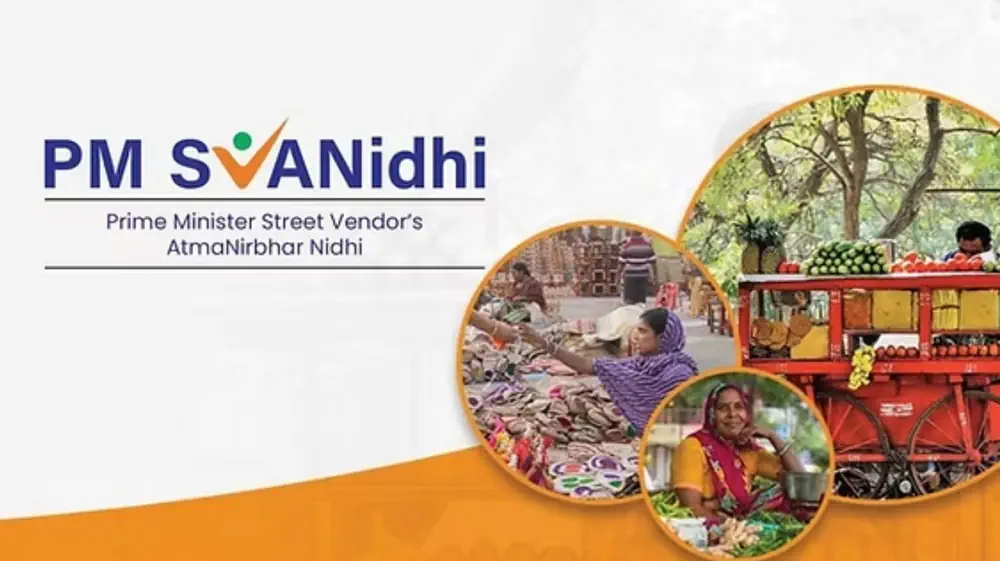
The PM SVANidhi scheme was launched in June 2020 during the COVID-19 pandemic to support street vendors whose livelihoods were severely affected by lockdowns and restrictions. It provided small working capital loans, starting at ₹10,000, to help them restart their businesses.
Unlike traditional loans, PM SVANidhi was designed with simple procedures and minimal documentation, ensuring easy access even for vendors without formal banking history. Borrowers also received incentives for timely repayment and for adopting digital transactions through platforms like UPI.
By mid-2025, the scheme had emerged as one of India’s most successful financial inclusion initiatives, disbursing loans to more than 96 lakh street vendors across urban and semi-urban areas.
Key Changes in the Extension
With the extension until March 2030, the scheme has been strengthened with revised loan structures and enhanced benefits:
- Longer duration of support: Lending period extended from December 2024 to March 2030.
- Increased loan amounts:
- First tranche up to ₹15,000 (earlier ₹10,000)
- Second tranche up to ₹25,000
- Third tranche up to ₹50,000
- Timely repayment benefits: Borrowers who pay back on schedule will continue to improve their credit score and qualify for higher loan amounts.
- Digital integration: Beneficiaries will receive UPI-linked RuPay debit cards, enabling them to transact digitally, build transaction history, and access wider financial services.
Benefits for Street Vendors
Access to Formal Credit
Street vendors often depend on informal moneylenders who charge very high interest rates. PM SVANidhi provides affordable loans without collateral, helping vendors escape cycles of debt.
Promotion of Digital Literacy
The scheme incentivizes vendors to adopt digital payment platforms, thereby modernizing their businesses and making them more competitive in the market.
Business Growth and Scaling
Higher loan tranches allow vendors to expand from subsistence-level trading to micro-enterprises. This improves income levels, creates employment opportunities, and strengthens local markets.
Social and Economic Empowerment
The scheme has a strong focus on including marginalized communities, particularly women street vendors, empowering them with financial independence and social mobility.
Long-Term Impact
The extension of PM SVANidhi until 2030 is expected to have multiple long-term benefits:
- Strengthening the informal economy: The scheme will support one of the largest employment-generating segments of India’s workforce.
- Reducing dependency on informal credit: Vendors will no longer need to rely on moneylenders, which reduces financial exploitation.
- Boosting entrepreneurship: With improved access to capital and digital tools, street vendors can grow into sustainable micro-businesses.
- Integration into the formal financial system: Building transaction histories and credit scores will allow vendors to access future loans from banks and NBFCs, further strengthening their financial stability.
Challenges and Considerations
While the scheme has achieved remarkable success, some challenges remain:
- Awareness gaps in smaller towns where vendors are still unaware of the benefits.
- Training requirements to improve digital literacy among older vendors.
- Ensuring timely disbursement and minimizing bureaucratic delays.
If addressed, these challenges can make PM SVANidhi a cornerstone for inclusive urban development in India.
Wrap Up
The extension of PM SVANidhi until 2030 is a strong signal of India’s commitment to inclusive growth and financial empowerment. By providing affordable loans, encouraging digital adoption, and promoting self-reliance, the scheme is not only improving the lives of street vendors but also bringing millions into the formal financial system. It is a critical step in building a stronger, more resilient grassroots economy for India’s future.
FAQs on PM SVANidhi Scheme
Q1. What is the PM SVANidhi scheme?
PM SVANidhi (Pradhan Mantri Street Vendor’s AtmaNirbhar Nidhi) is a micro-credit scheme launched in June 2020 to provide affordable working capital loans to street vendors and small traders.
Q2. Who is eligible for PM SVANidhi loans?
Street vendors operating in urban and semi-urban areas, including those with vending certificates or identity cards issued by local bodies, are eligible. In some cases, vendors identified in surveys or recommended by urban local bodies can also apply.
Q3. How much loan can a street vendor get under the scheme?
Under the extended scheme, vendors can access loans in three tranches:
– First loan up to ₹15,000
– Second loan up to ₹25,000 (after timely repayment of the first loan)
– Third loan up to ₹50,000 (after timely repayment of the second loan)
Q4. What is the interest rate on PM SVANidhi loans?
The loans are provided at regular bank lending rates, but beneficiaries receive an interest subsidy of 7 percent, credited quarterly to their accounts.
Q5. Is collateral required for PM SVANidhi loans?
No, the scheme provides collateral-free loans, making it accessible for small vendors who do not have assets to pledge.
Q6. Are there any benefits for digital transactions?
Yes, vendors who adopt digital payments through UPI and other platforms earn monthly cashback incentives, helping them build transaction history and improve their credit score.
Q7. Until when is the PM SVANidhi scheme valid?
The scheme has been extended until March 2030, ensuring long-term support for street vendors.
Q8. How many street vendors have benefited so far?
By mid-2025, more than 96 lakh street vendors across India had availed loans under the scheme.






 is part of No.1️⃣ fastest growing Sarkari jobs portal ✔️ in India. Here you can find latest career resources during 2024 for both freshers and professionals in various categories. You can get help in preparing yourself for the Job market in India with interesting and informative articles. Don't forget to subscribe to job alerts daily through E-mail, push notifications, whatsapp, telegram and other channels.


